Cannondale · iOS · 2020–2021
Cannondale Lights App
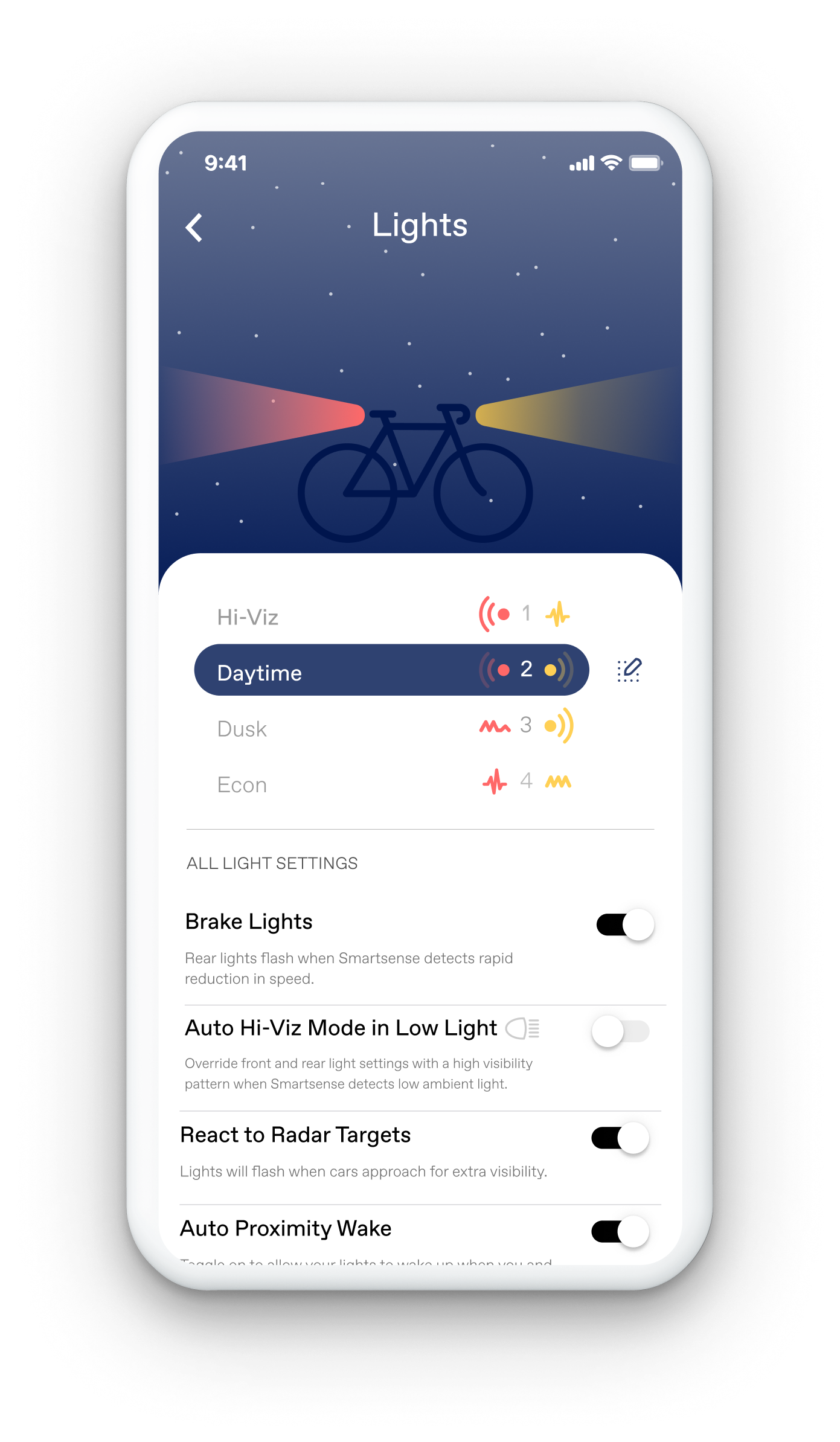
An app that allows you to control your bike's lights — designing lighting modes, smart automation, and radar integration as part of the Cannondale SmartSense ecosystem.
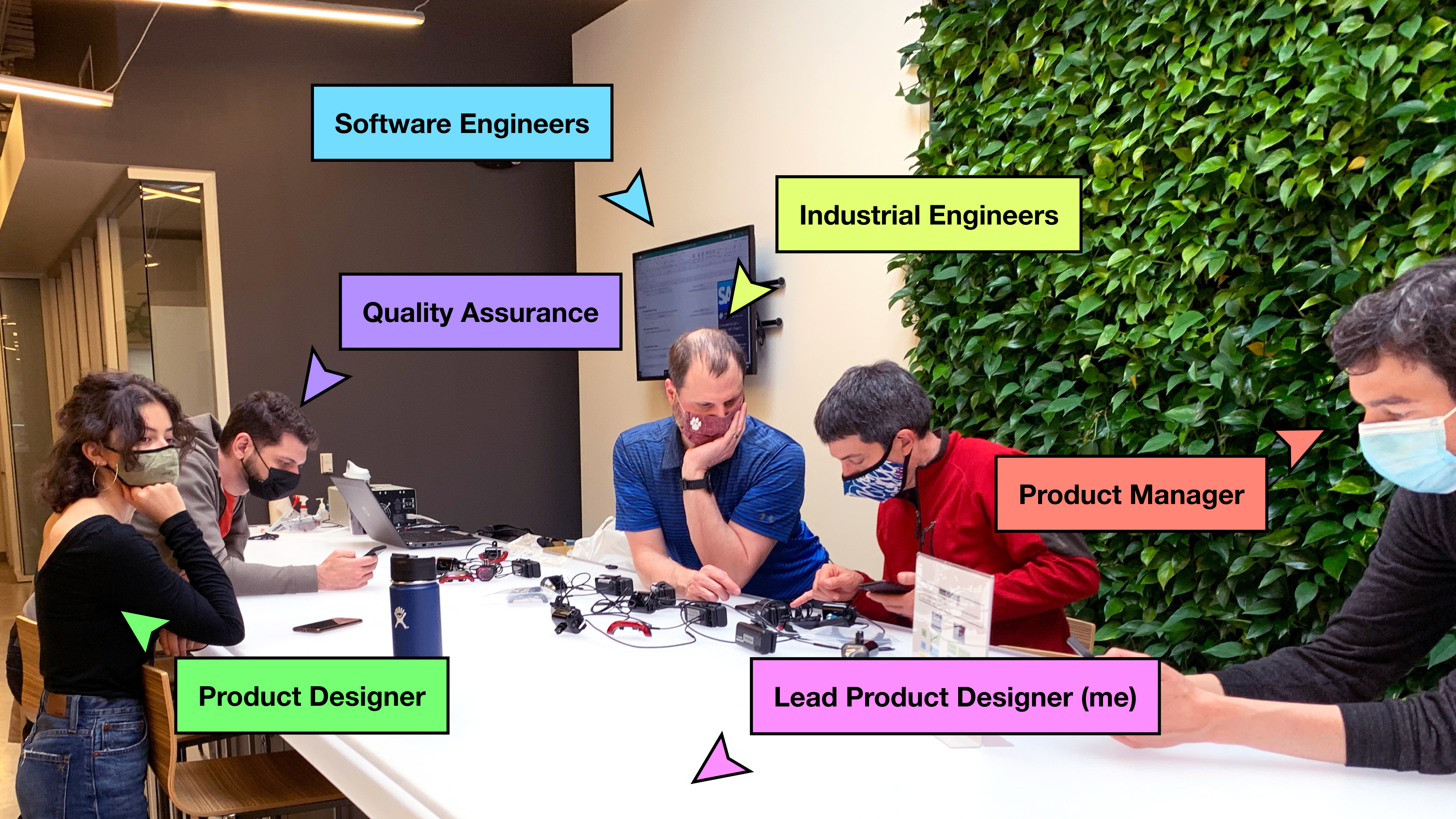
The Team
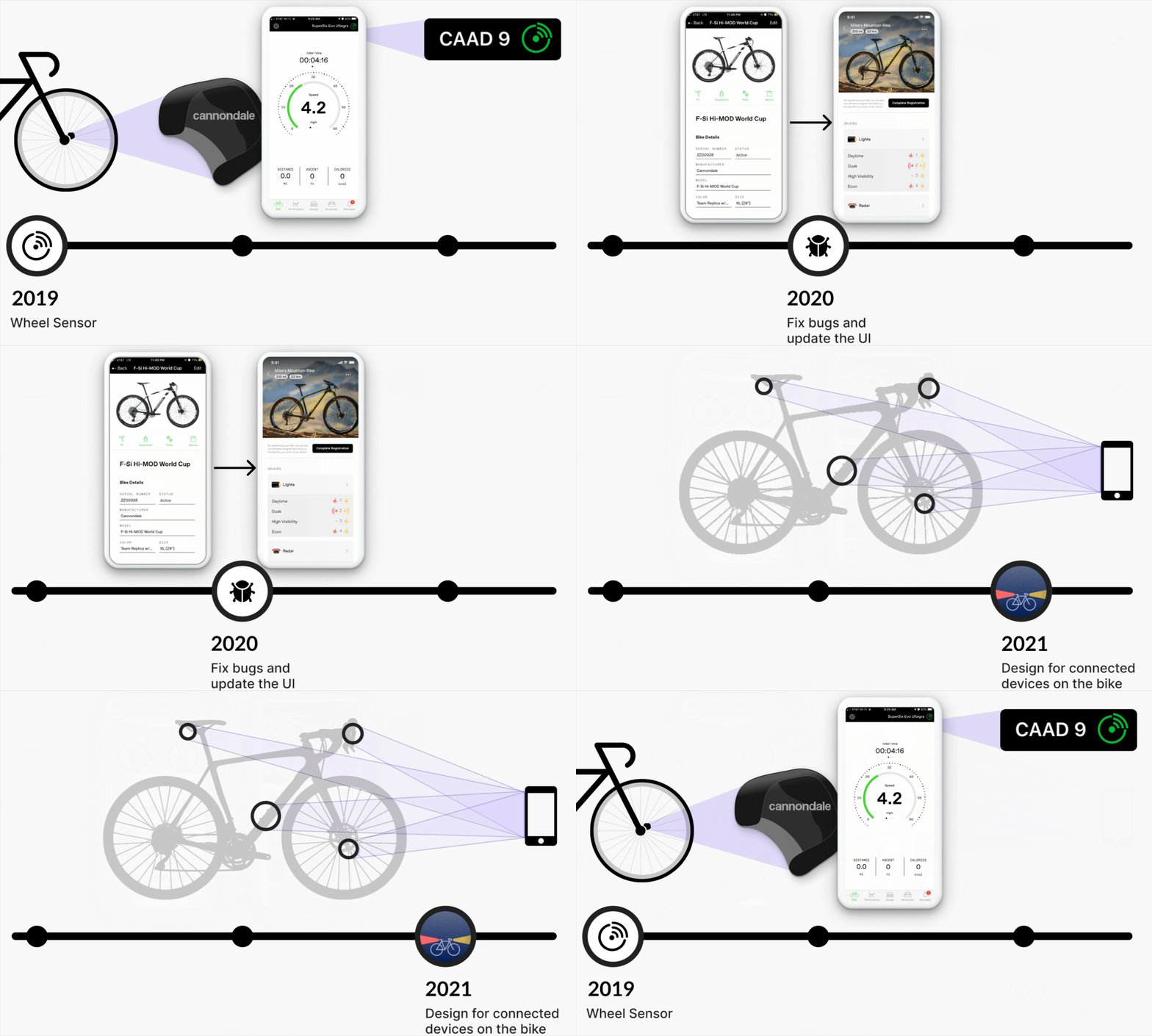
Timeline
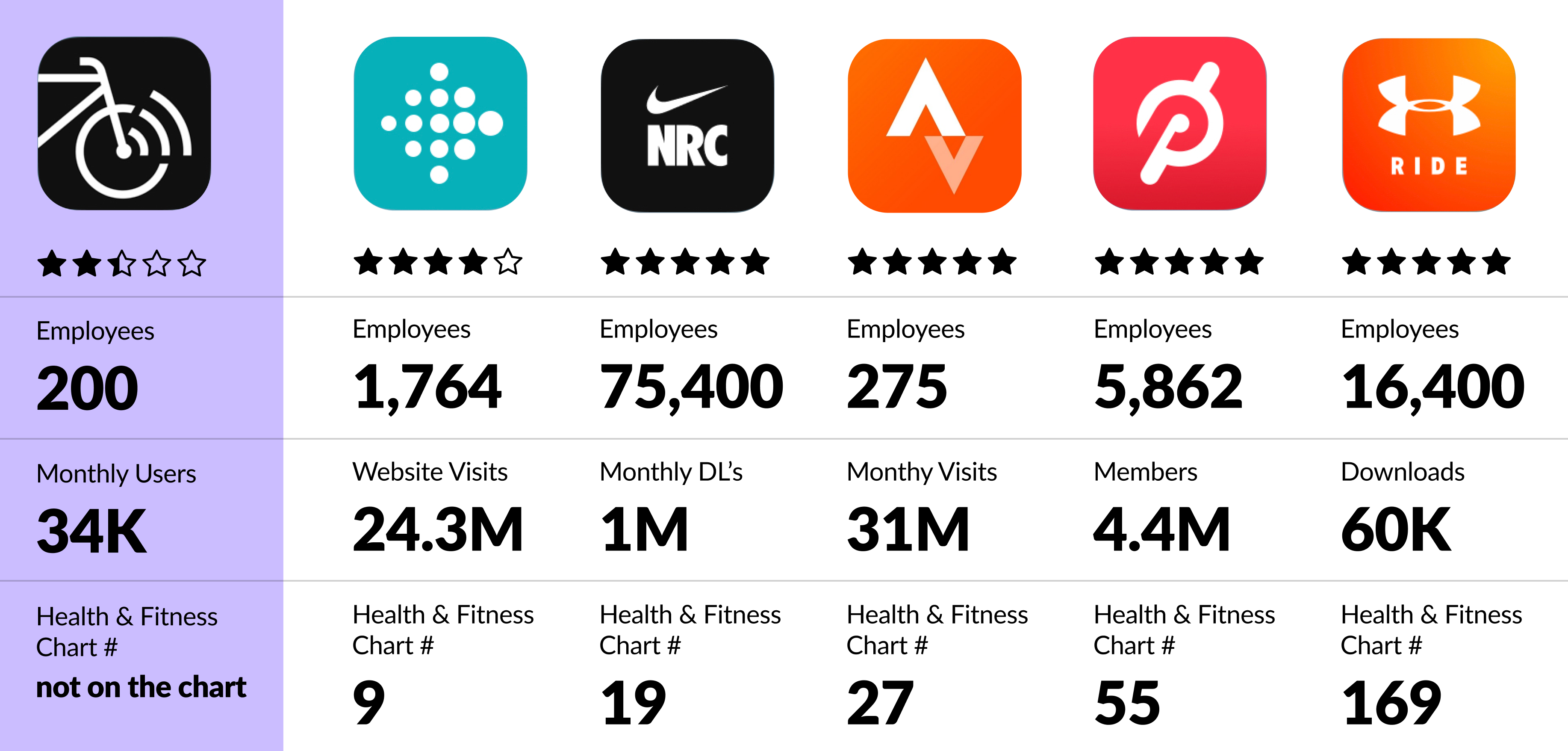
Competition
Users have no shortage of fitness app selections. As a bike manufacturer first and app developer second, the business needed to figure out how to differentiate themselves from the rest of the ride apps out there. The best way to do this was to leverage their core business and bring it into the app.
Understand
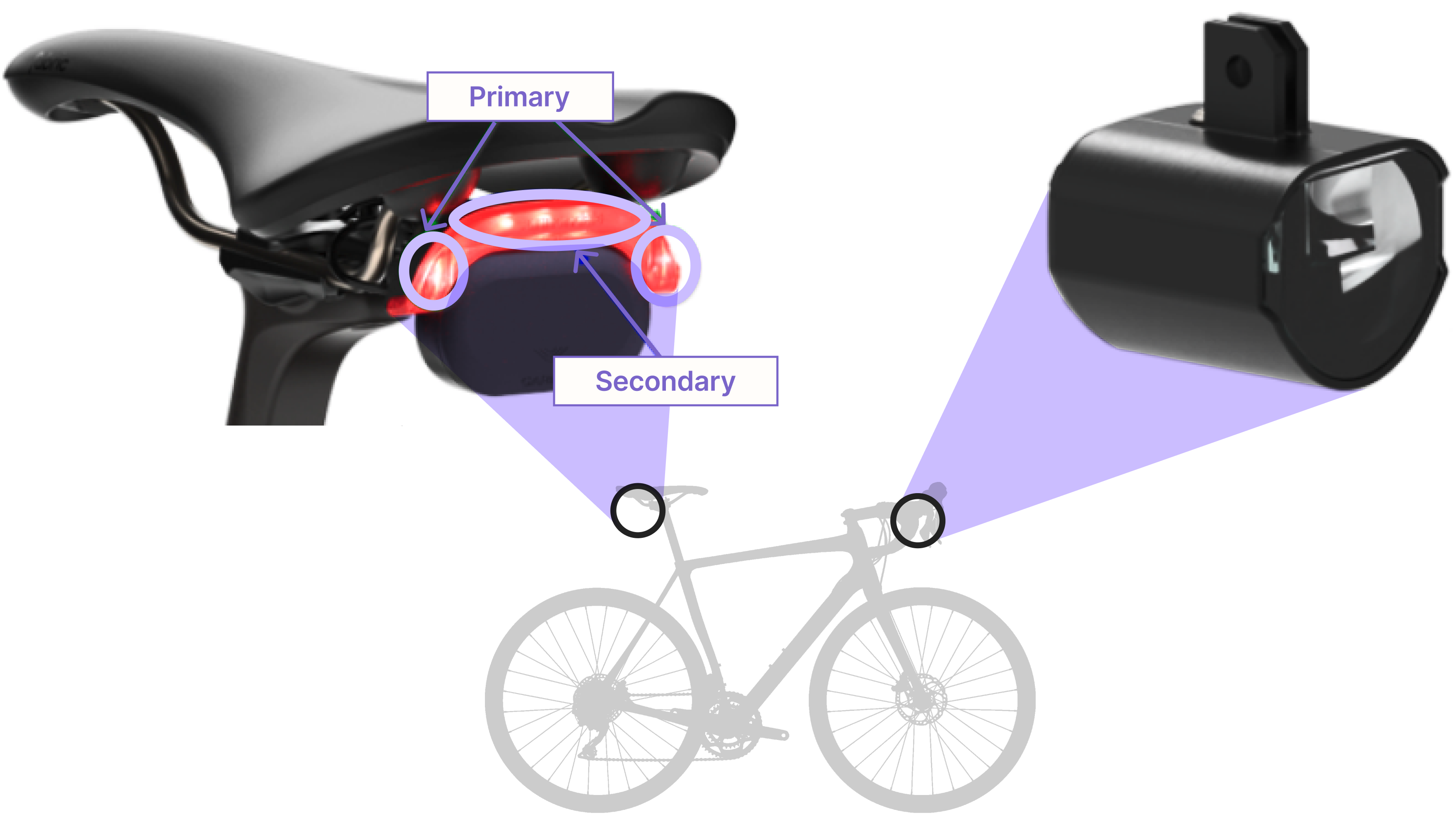
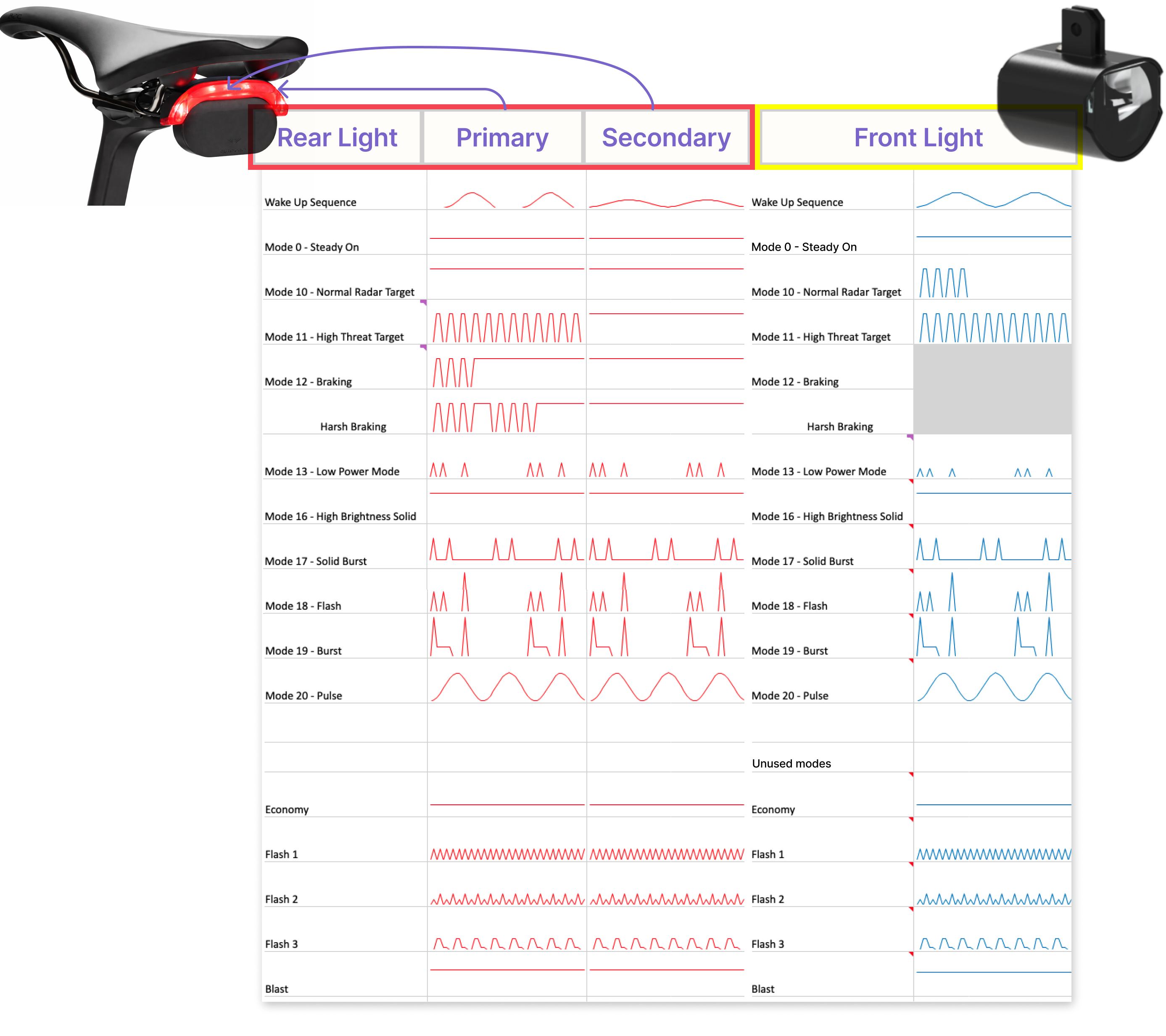
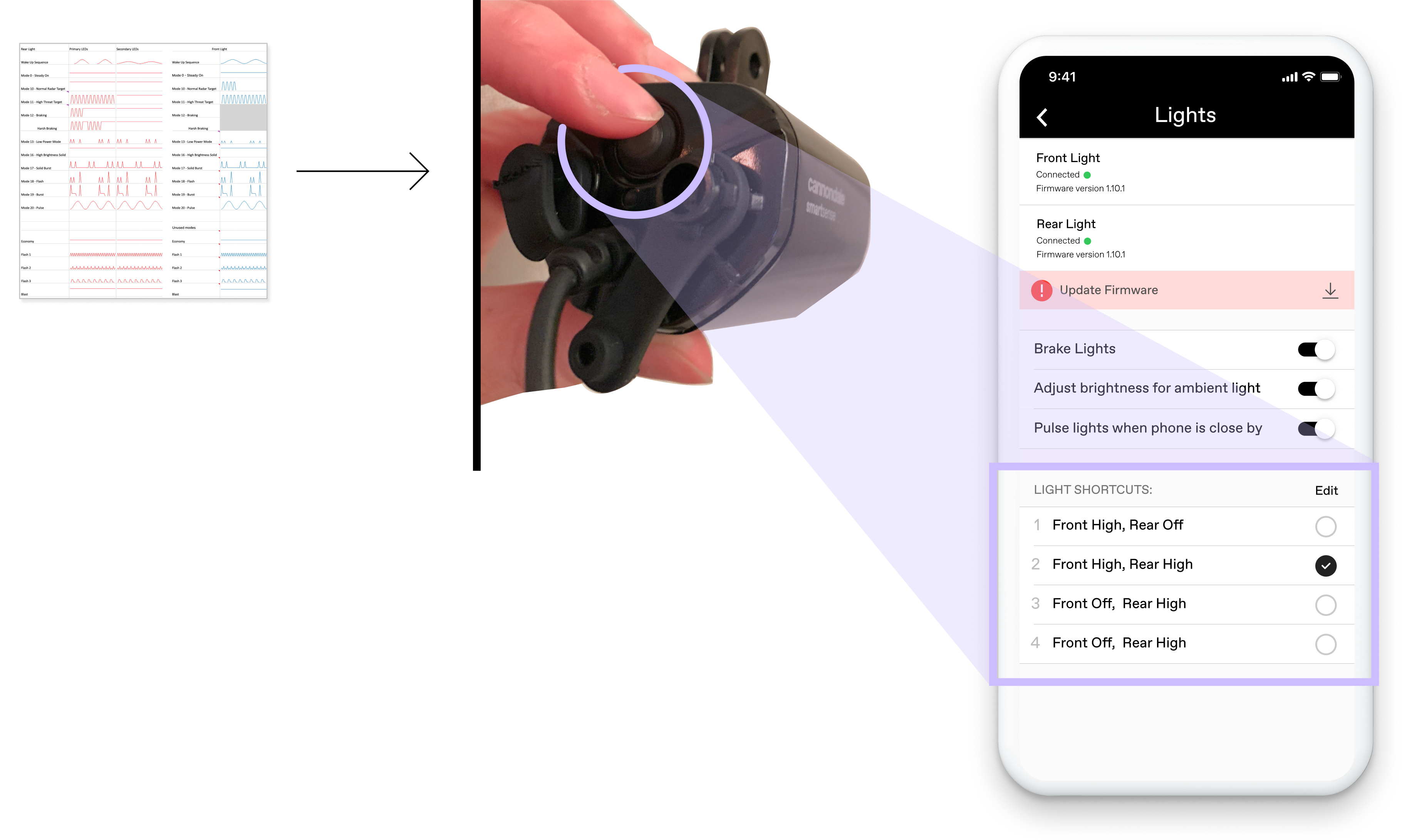
In order to start, I needed to know how the lights would work and what they were capable of. My hardware engineers provided me with the data I needed. At first glance it's a lot to look through. The challenge as a designer was to interpret that information and present it to the user in an easy to understand way.
Research
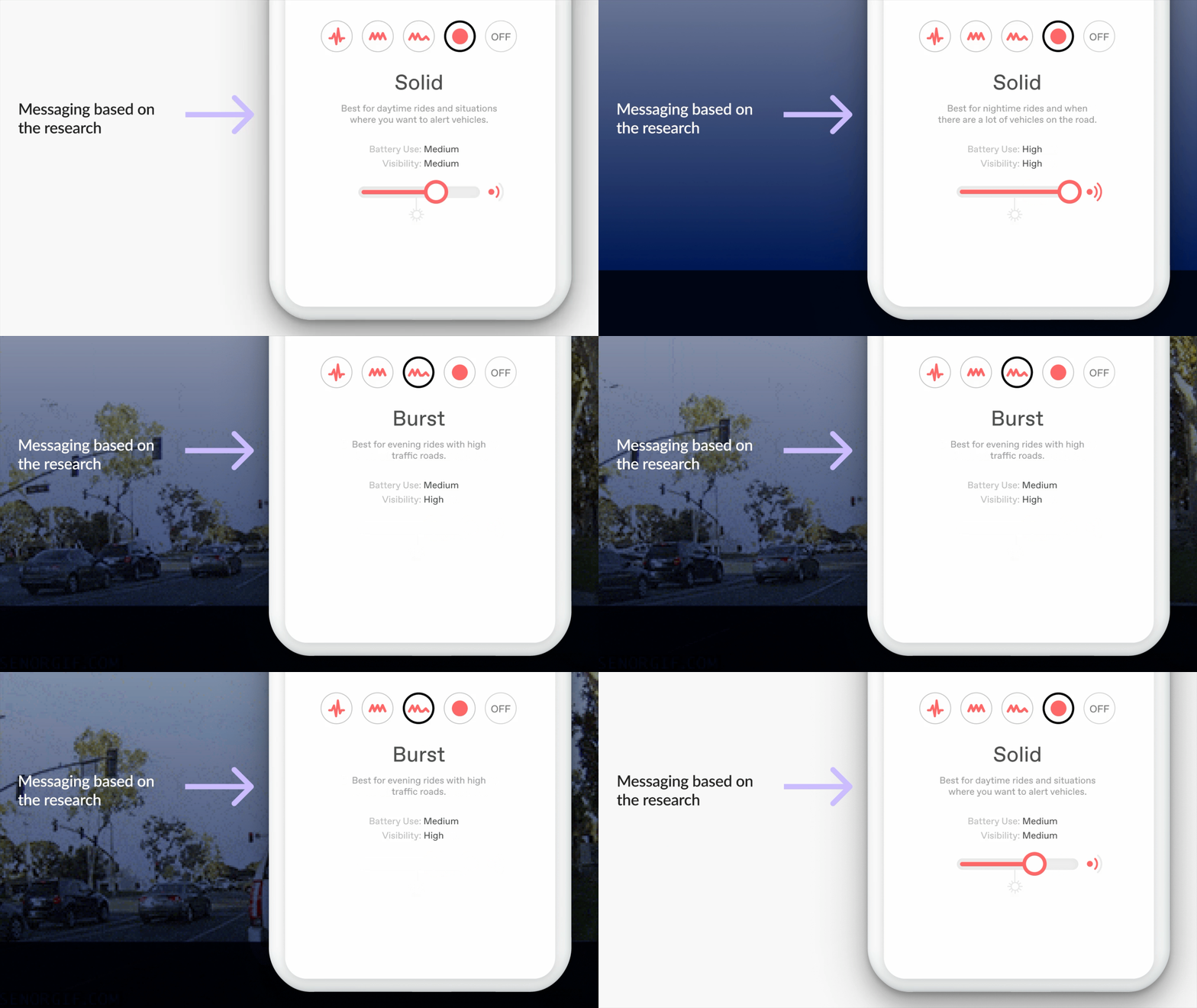
The central question: why would a rider tinker with the default settings we gave them? To answer that, I looked at the real-world conditions that actually change how a rider needs to be seen.
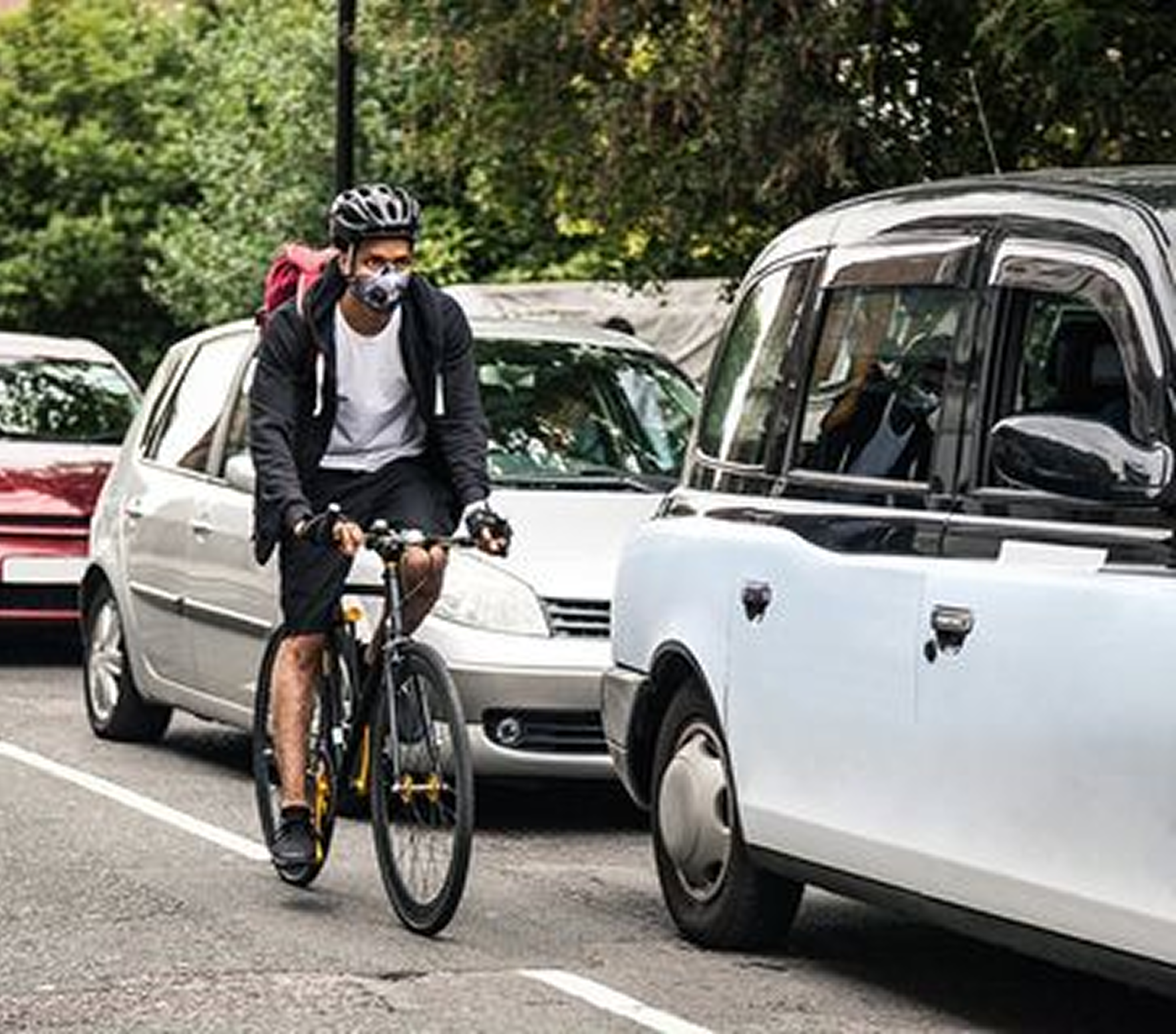
Car Traffic
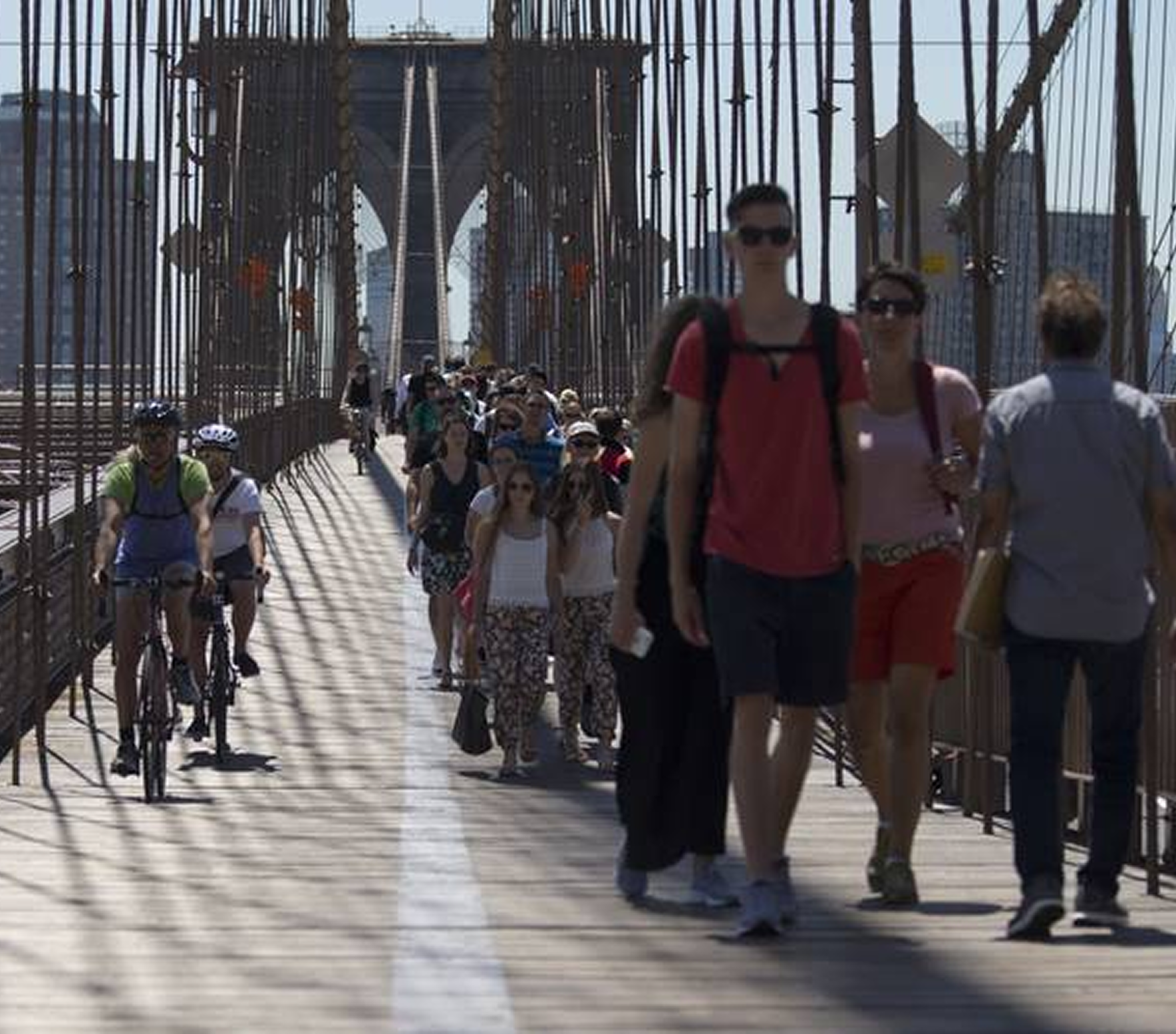
Pedestrian Traffic
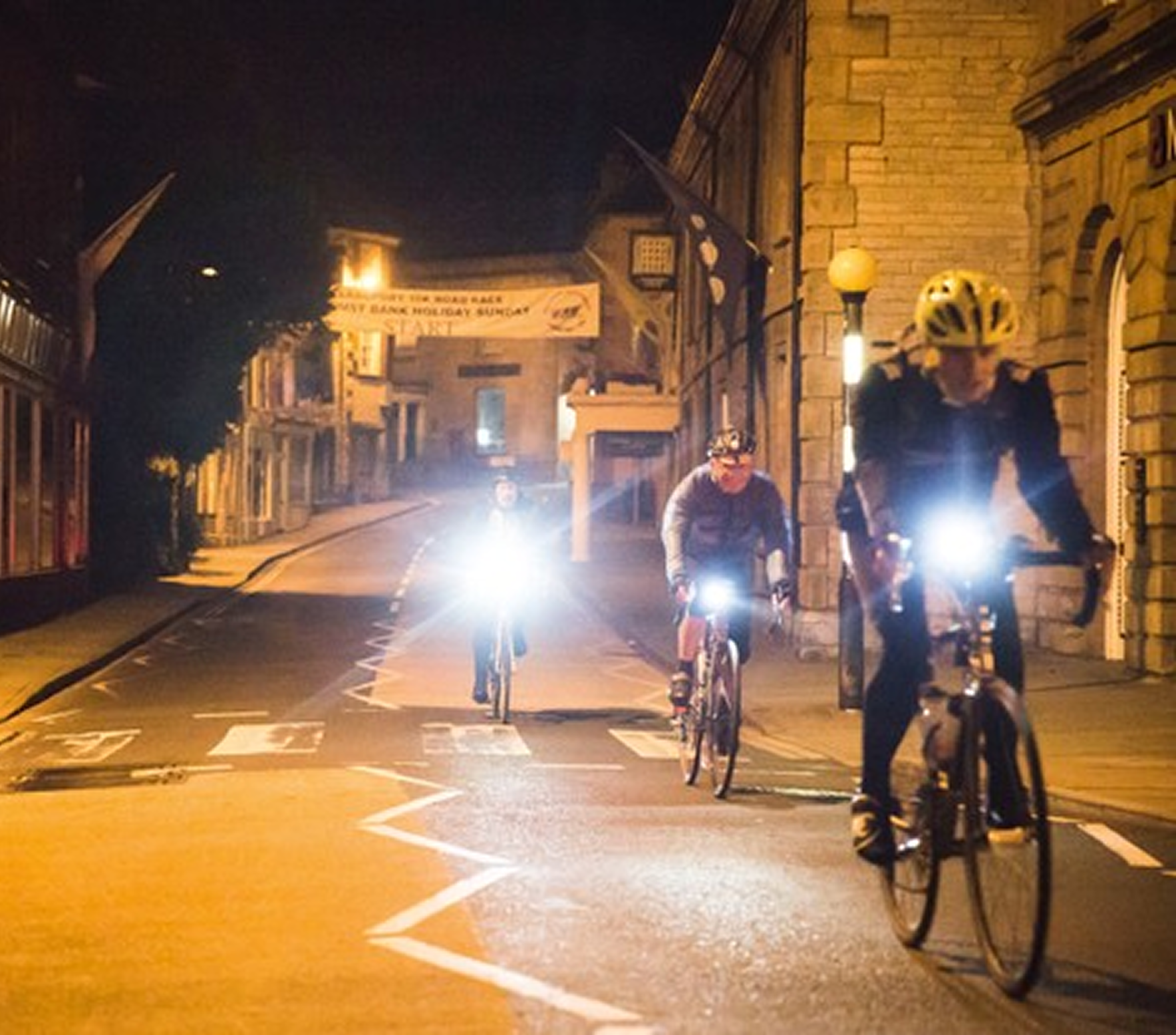
Time of Day
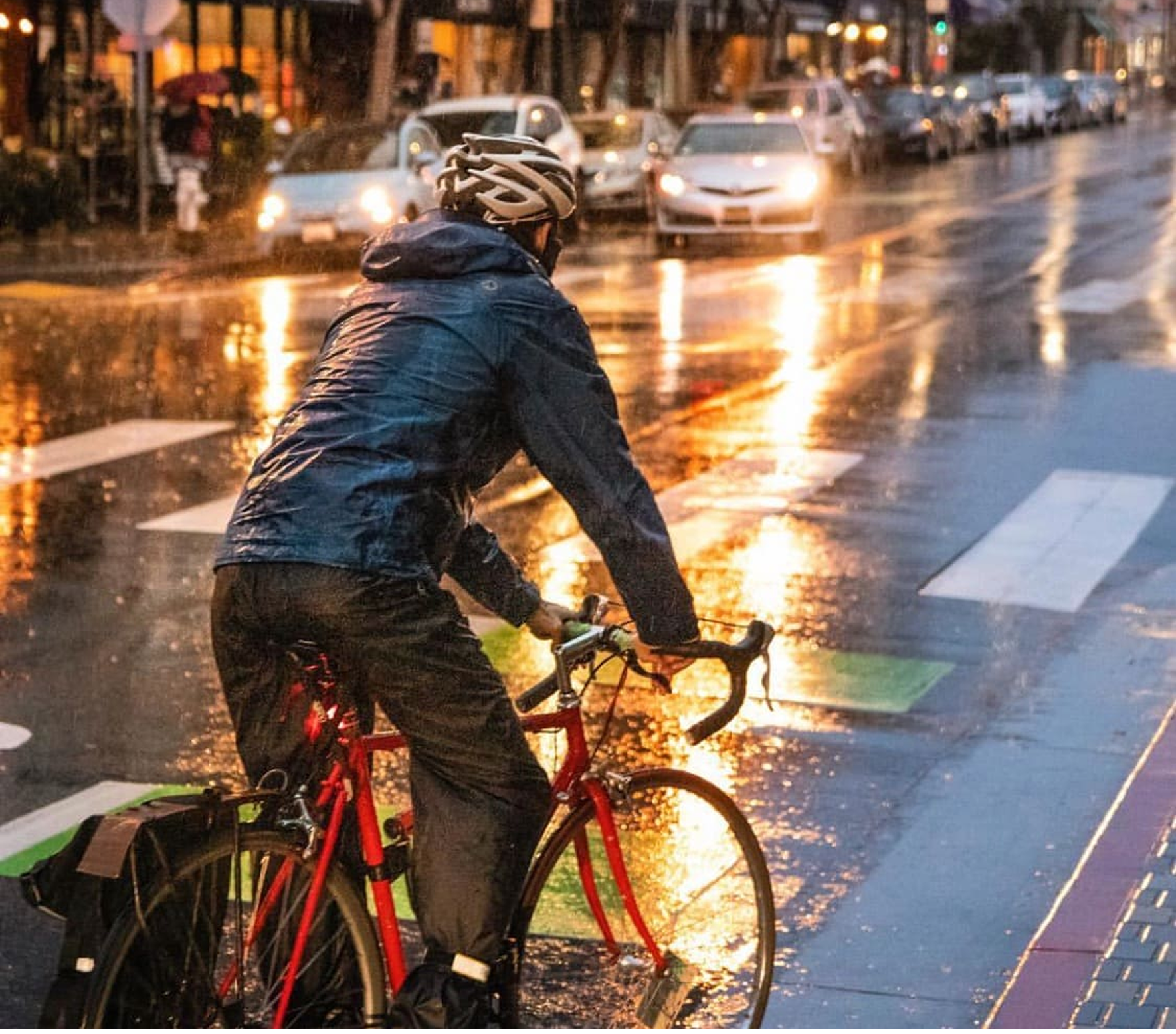
Weather
The four conditions that drive a rider's need to adjust their lights
I also had to think carefully about who was actually using the app. Two very different riders — and two very different relationships with their light settings.
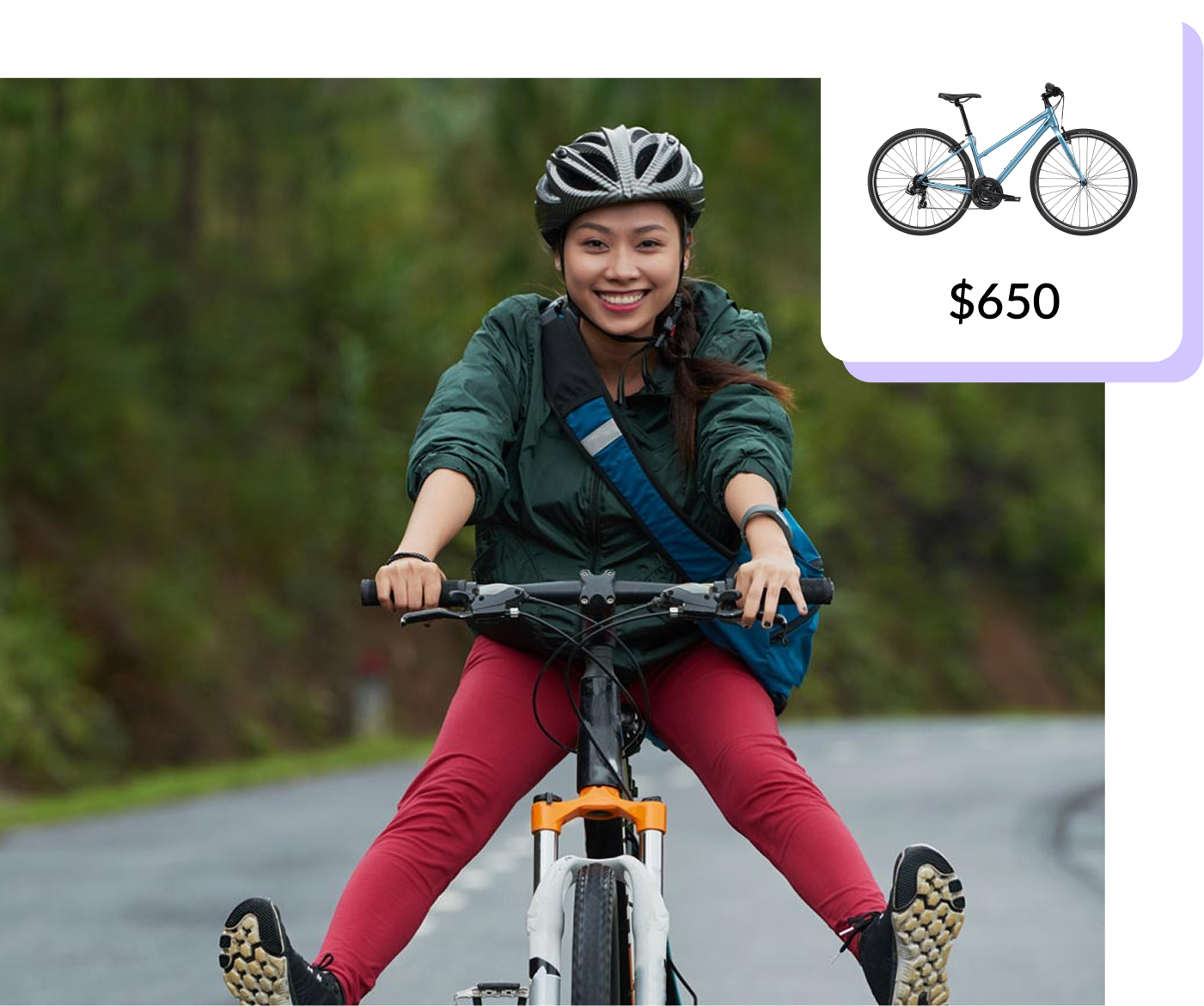
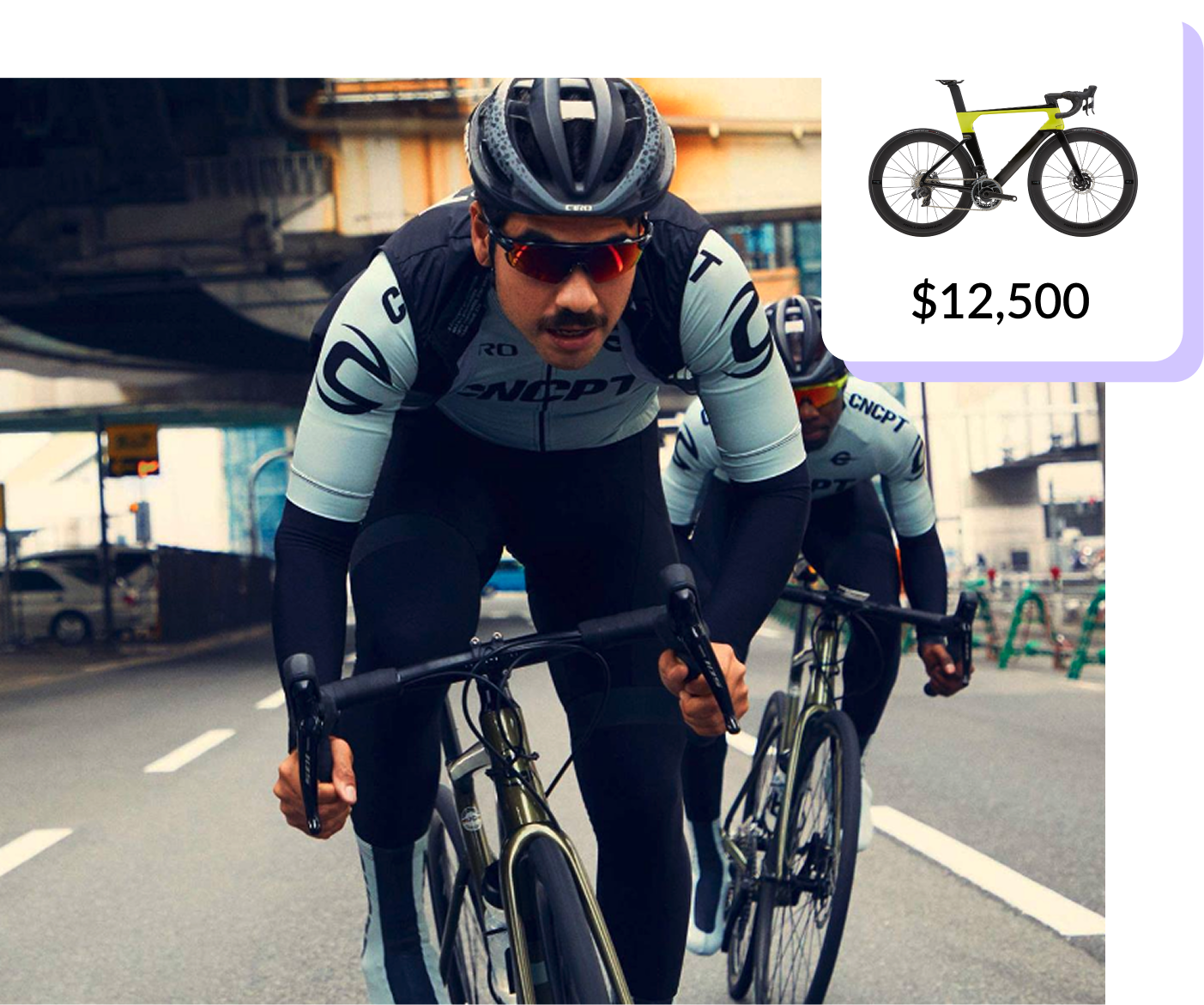
Novice riders likely won't know the best settings for each scenario. Expert riders might — but need the control.
Research Insight
"In 2004 and 2005 a controlled experiment including 3,845 cyclists was carried out in Odense, Denmark. The study shows that use of permanent bicycle running lights reduces the occurrence of multiparty accidents involving cyclists significantly."
— Jens Christian Overgaard Madsen & Harry Lahrmann, Aalborg University
Design Iterations
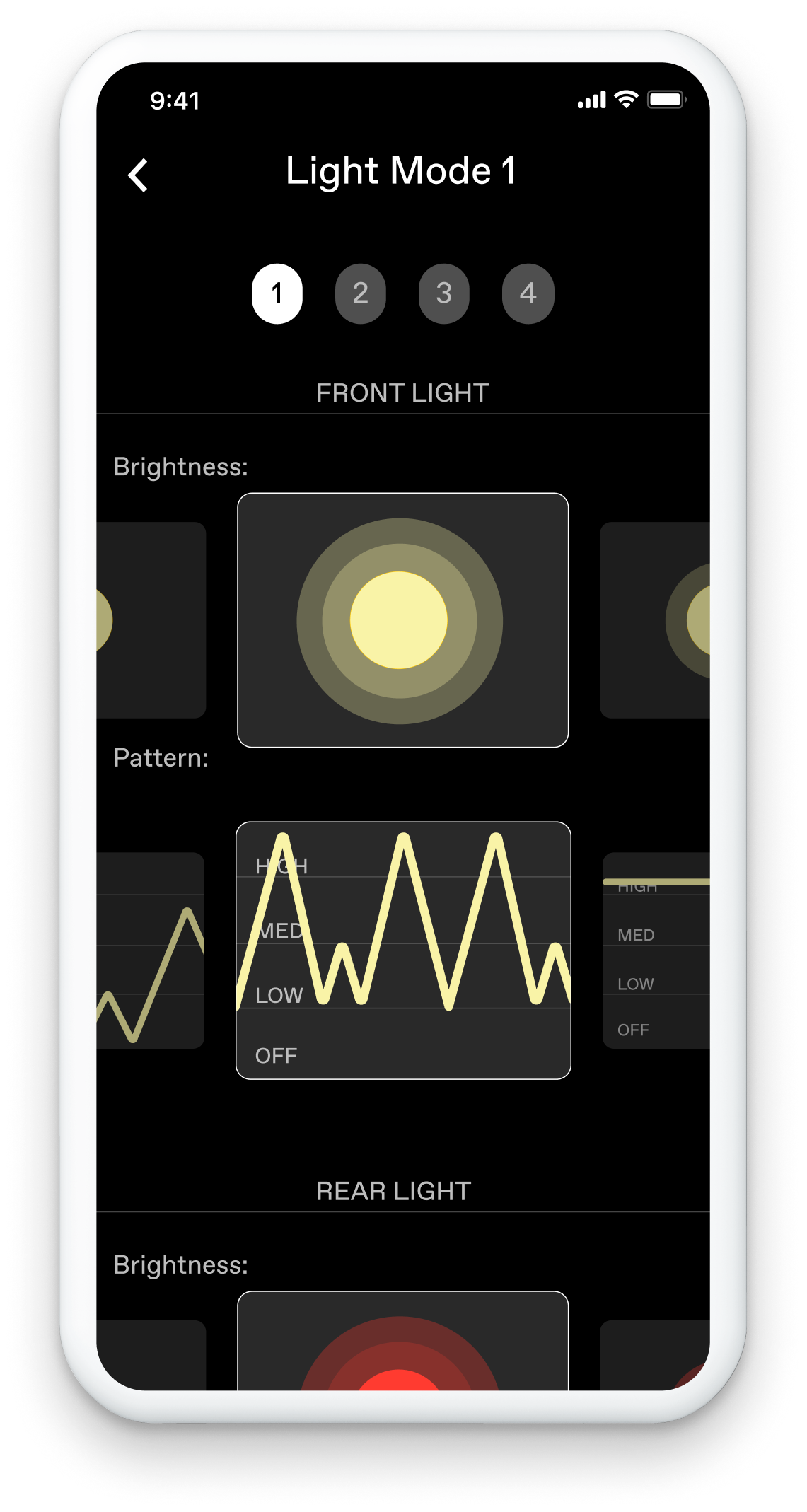
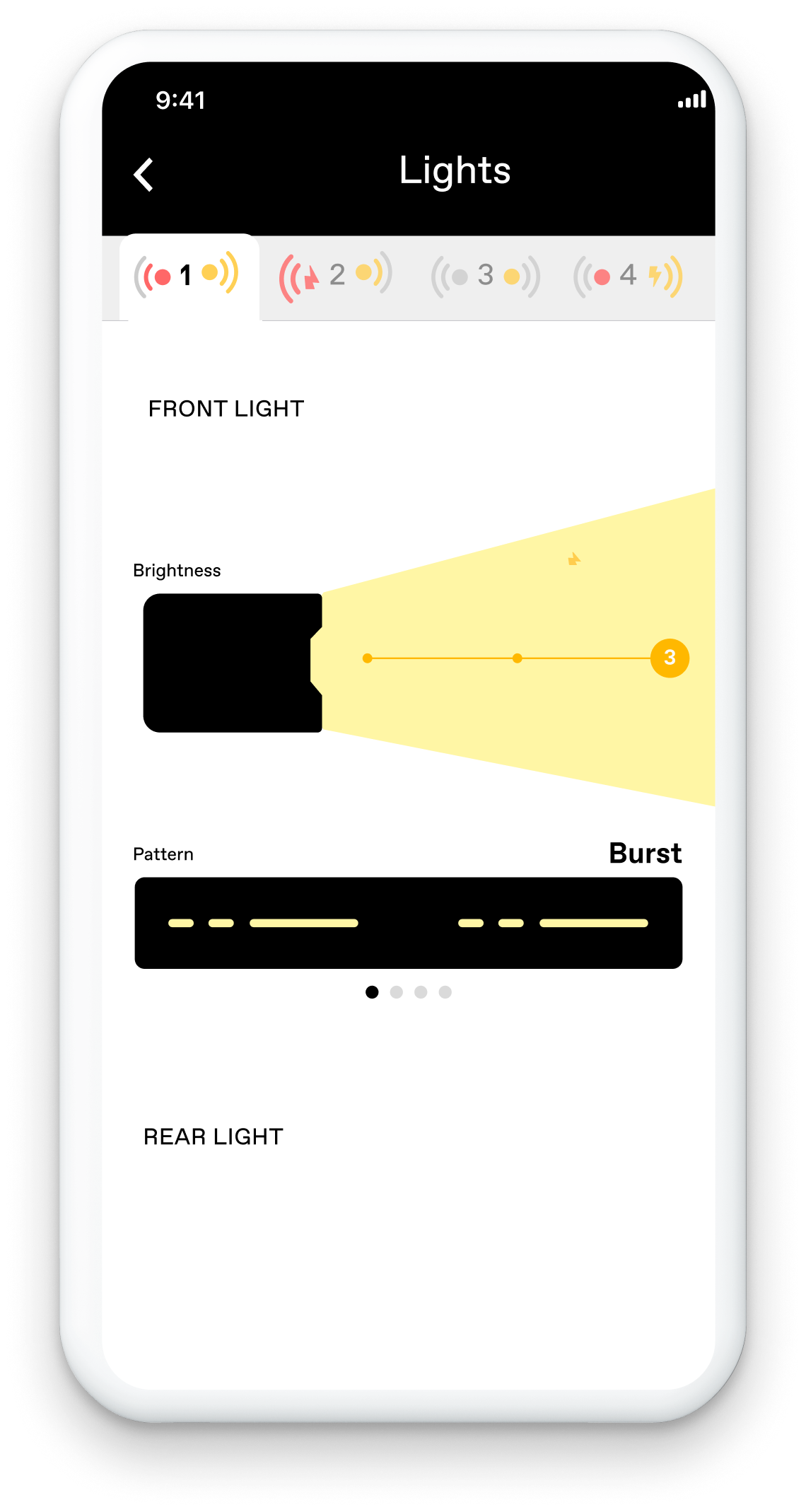
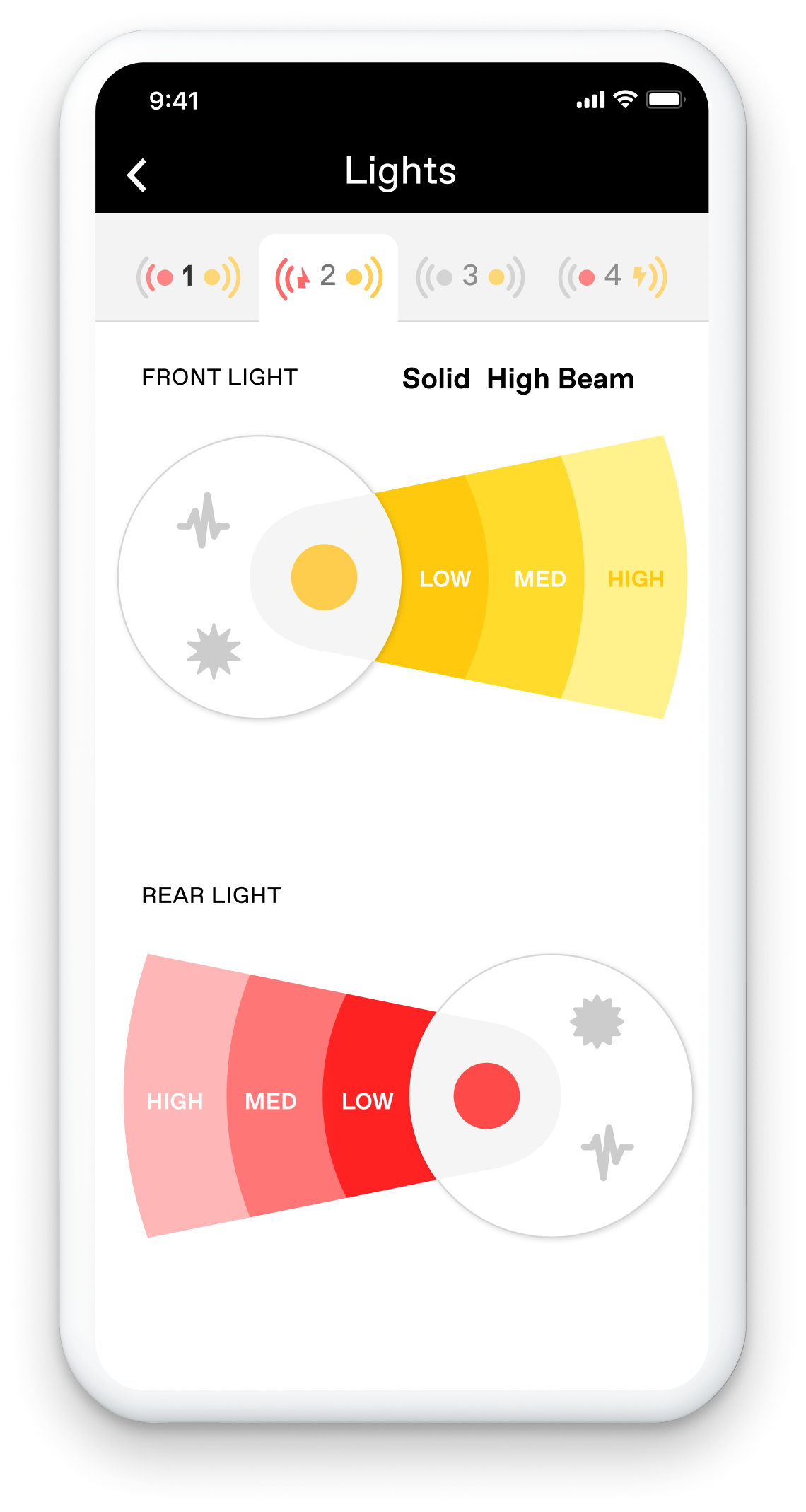
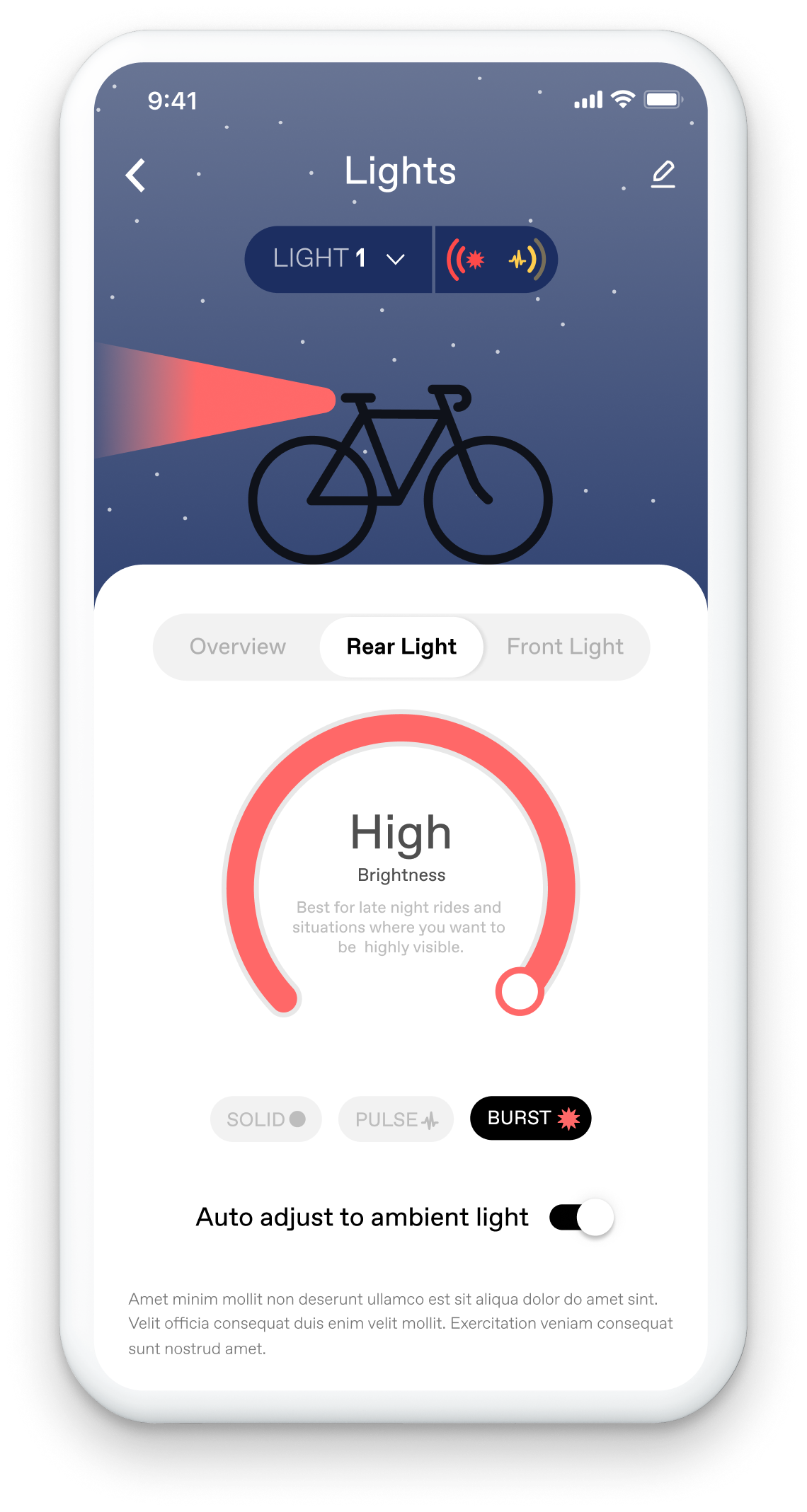
Getting to the final design required going through many rounds of exploration. Each iteration brought new clarity — about hierarchy, about what riders actually needed to see, and about how to make complex lighting logic feel effortless.
Design System
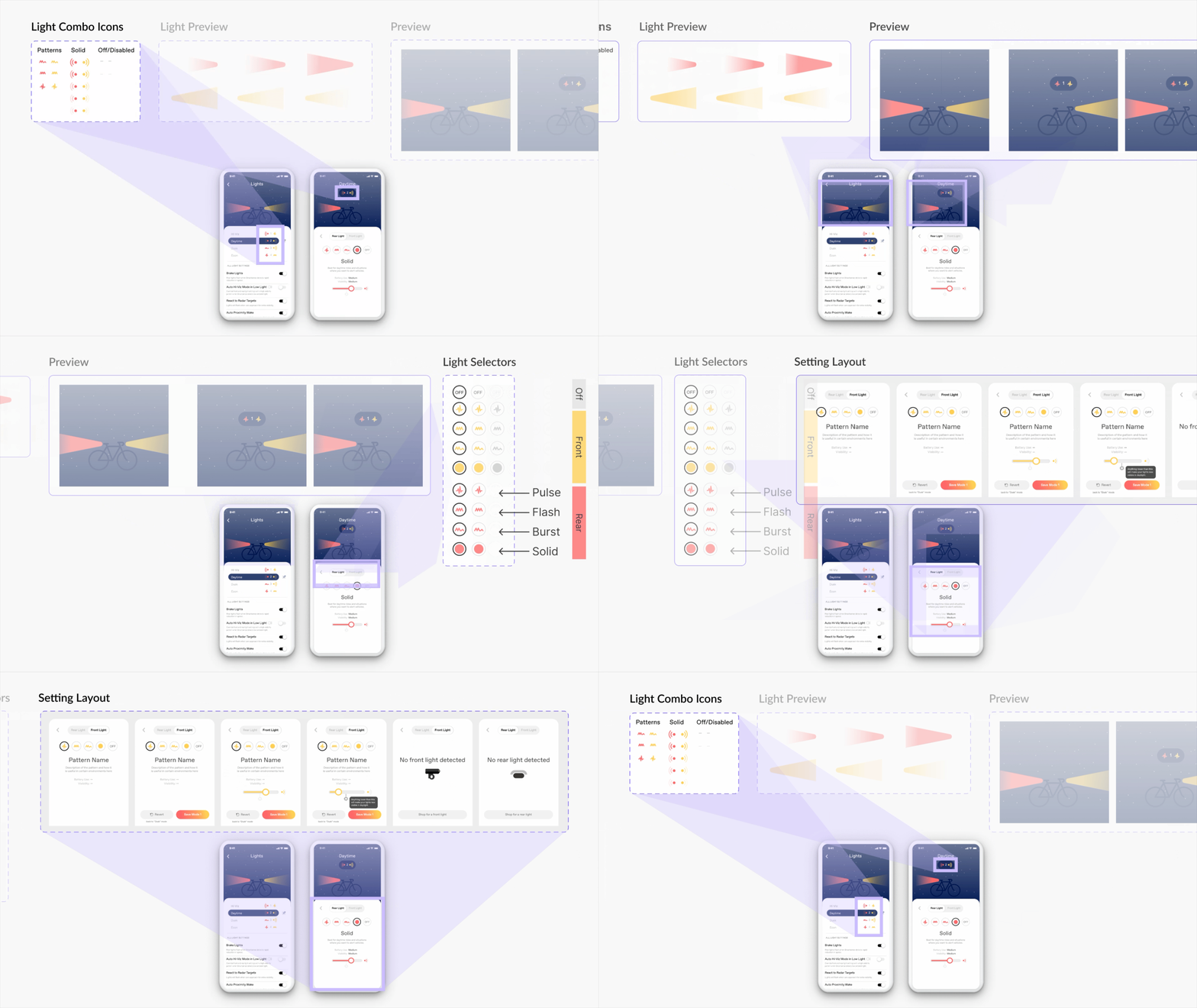
As the designs evolved, I built a thorough style guide and component library specific to the app — systematizing colors, typography, iconography, and UI patterns so the experience stayed consistent across every screen and state. This foundation made iteration faster and handoff to engineering cleaner.
Final Outcome
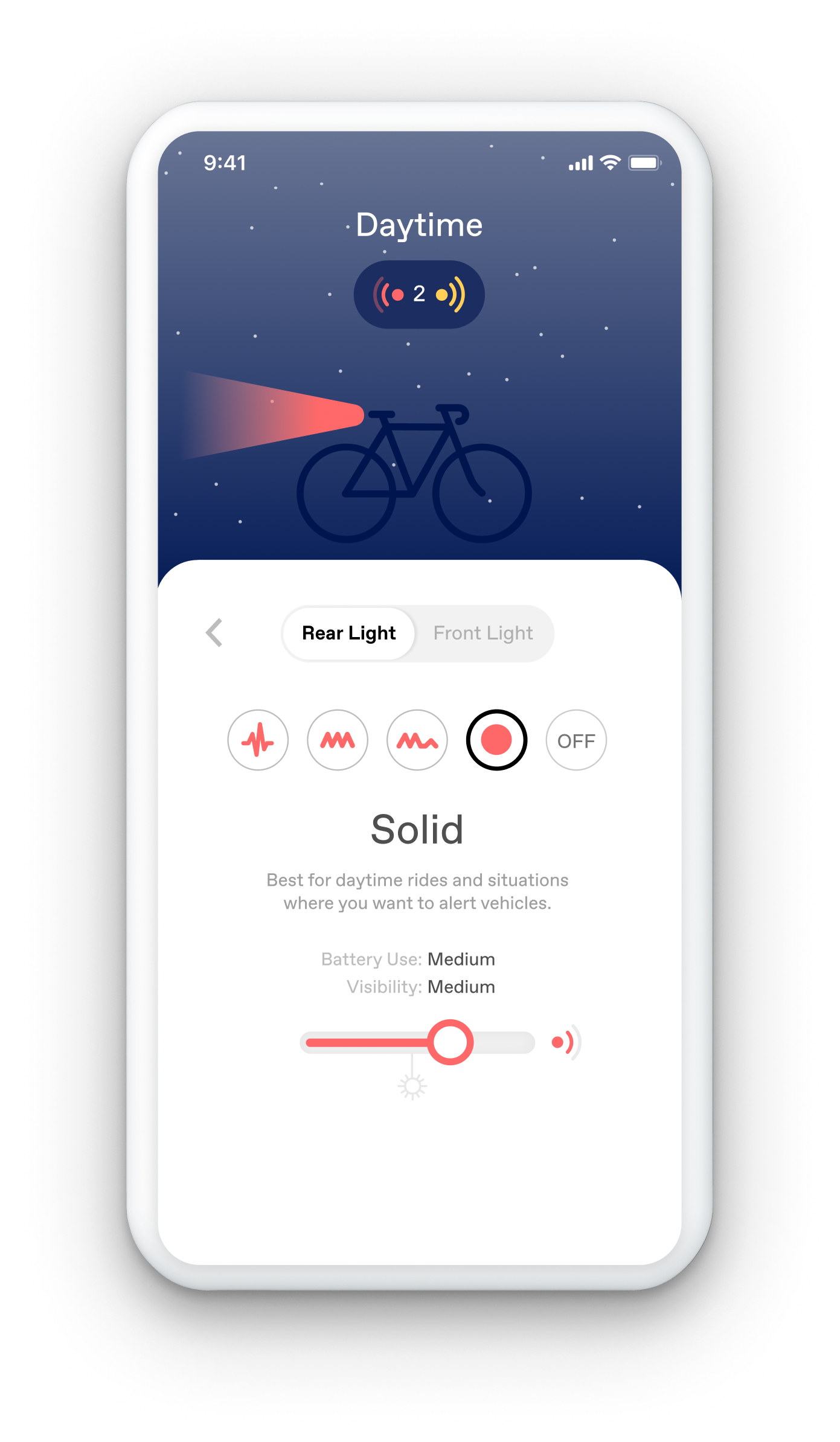
Testing
We tested by doing the real thing — riding prototype bikes while using the app, logging many miles across different conditions. We were evaluating for stability, ease of use, safety, and overall rider happiness.
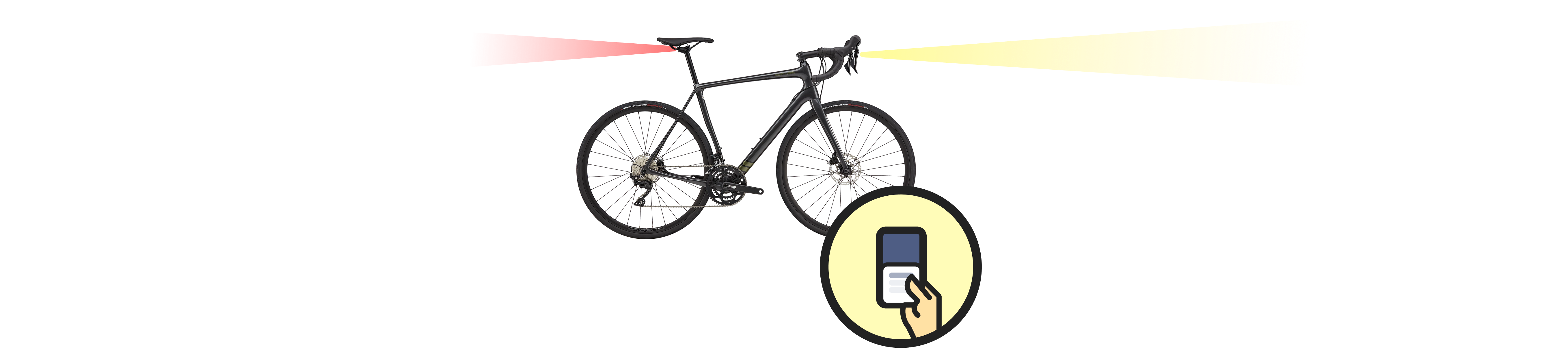
- Improve rating by 2 stars
- Increase downloads by 150%
- Topstone & Synapse sales 15% above a regular launch
- Retail orders 10% above previous sales cycle
Challenges
The Reality of the Codebase
"It's as if someone had built a skyscraper and it was tipping over. But instead of tearing it down and starting all over, they would keep adding more floors. But in this case, the skyscraper is on a farm and no one lives there."
Takeaways
Make tons of iterations
Never be married to a design, even if you love it. The best solution only reveals itself through relentless exploration.
Bring research and an open mind
Walk into every presentation with data to support your decisions — and genuine openness to being challenged.
Strive to be the best
Not comparable to what others are doing. The goal isn't feature parity — it's setting the standard.
Lift your team up
Compliment your team, give credit where credit is due, and have fun together. Great work comes from great energy.